Peru’s Inca Trail Training Program
Hiking the Inca Trail is possible for all ages as long as you are fit. Have you booked your Inca Trail tour already? Do you feel you haven’t prepared enough? How hard is the Inca Trail?
What might ruin your trip on the Inca Trail is not you, or the weather conditions. However, altitude sickness could become your worst enemy if you have not yet correctly acclimated. (We recommend start training 2 months in advance at home). This is why we have designed this training itinerary for the Inca Trail plus our acclimatization program where you will not only feel better but we will also make sure that you will successfully achieve your adventure trip, in other words we will train you about 2 days before you start the 4 day Inca Trail, or the short Inca Trail hike.
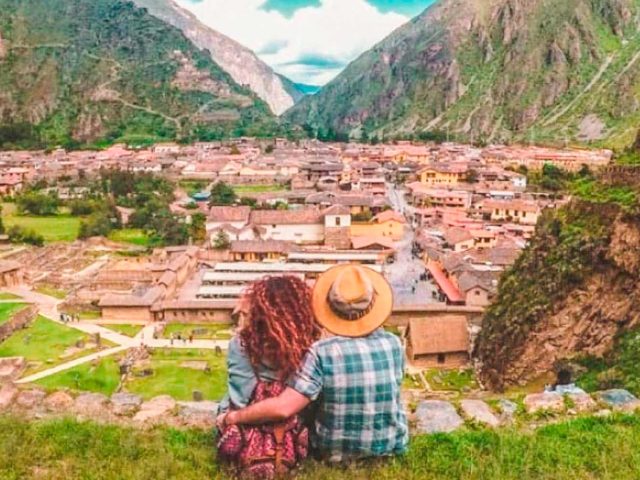
Upon arrival in Cusco we will take you straight to the Sacred Valley where you will stay for 2 nights, before beginning your trek. during these 2 days you will do certain outdoor activities, as well as due to the low altitude of the place where you will stay, you will not be so concerned about the effects of altitude sickness. If some symptoms of altitude sickness are experienced, the effect will be minimal.
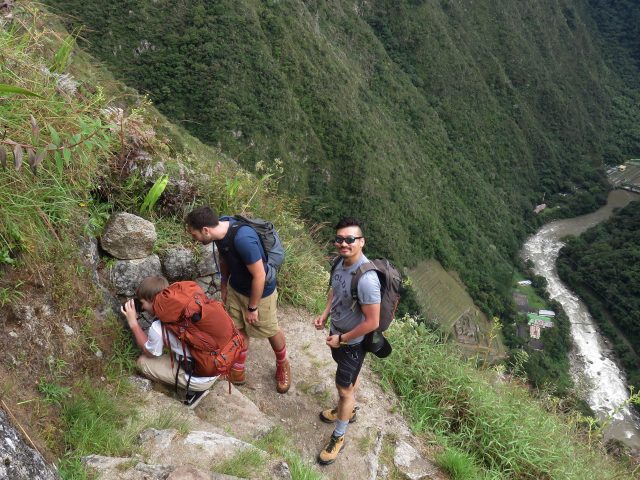
When your body is physically exhausted, you have only one thing left. This is your mental strength. mind is a powerful tool and needs to be trained. We recommend a simulated Inca Trail expedition and the best way to achieve this is by doing training hikes in the Sacred Valley with local experts. Consider joining our Inca Trail training program.
Preparing For The Inca Trail
Once you have booked your tour for the Inca Trail you should prepare yourself physically and mentally. Preparing for the Inca Trail isn’t just a case of having the best trekking equipment, reading all the traveler blogs and hoping for the best, but rather doing what is necessary to ensure that you have a successful and unforgettable adventure in the Peruvian mountains.
Objectives Of This Training Program
At the end of this training program:
- You should be able to descend and climb steep slopes
- You should be able to recover from a hard day’s hiking within an 5 to 7 hour period to resume another day of hard physical exertion.
- You will be tought how to pack for the Inca Trail
- You will be able to correctly use hiking sticks for the Inca Trail
- We will teach you how to control your breathing while hiking
- We’ll teach you some survival tips
- We will help you with tips for dealing with vertigo naturally (in case you need)
What is the highest point on the Inca Trail?
The highest point is 4,215m (13,828 ft), trail is nearly 28 miles long, but it is incredibly rewarding. This elevation could cause problems even for fit travelers, therefor you have to get used to the high altitude by staying at a lower elevation and enjoying short hikes in the Sacred Valley area for a couple of days before starting on the Inca Trail. This is the best way to prevent altitude sickness.
The difficulty of the Inca Trail begins with the distance. It is 45 km (26 miles) in total, covered during 4 days and 3 nights. The classic Inca Trail is generally divided into the following 4 days:
- Day 1: 16 km (10 miles). highest point 3000 m (9842 ft)
- Day 2: 12 km (7.5 miles). highest point 4250 m (13779 ft)
- Day 3: 9 km (5.6 miles). highest point 3800 m (12800 ft)
- Day 4: 4 km (2.5 miles) highest point 3680 m (12073 ft)
Did you know that there is an alternative Inca Trail that you could also consider if you have not been able to book your 4 day Inca Trail “Short Inca Trail with hotel”
How is the 2-day Inca Trail?
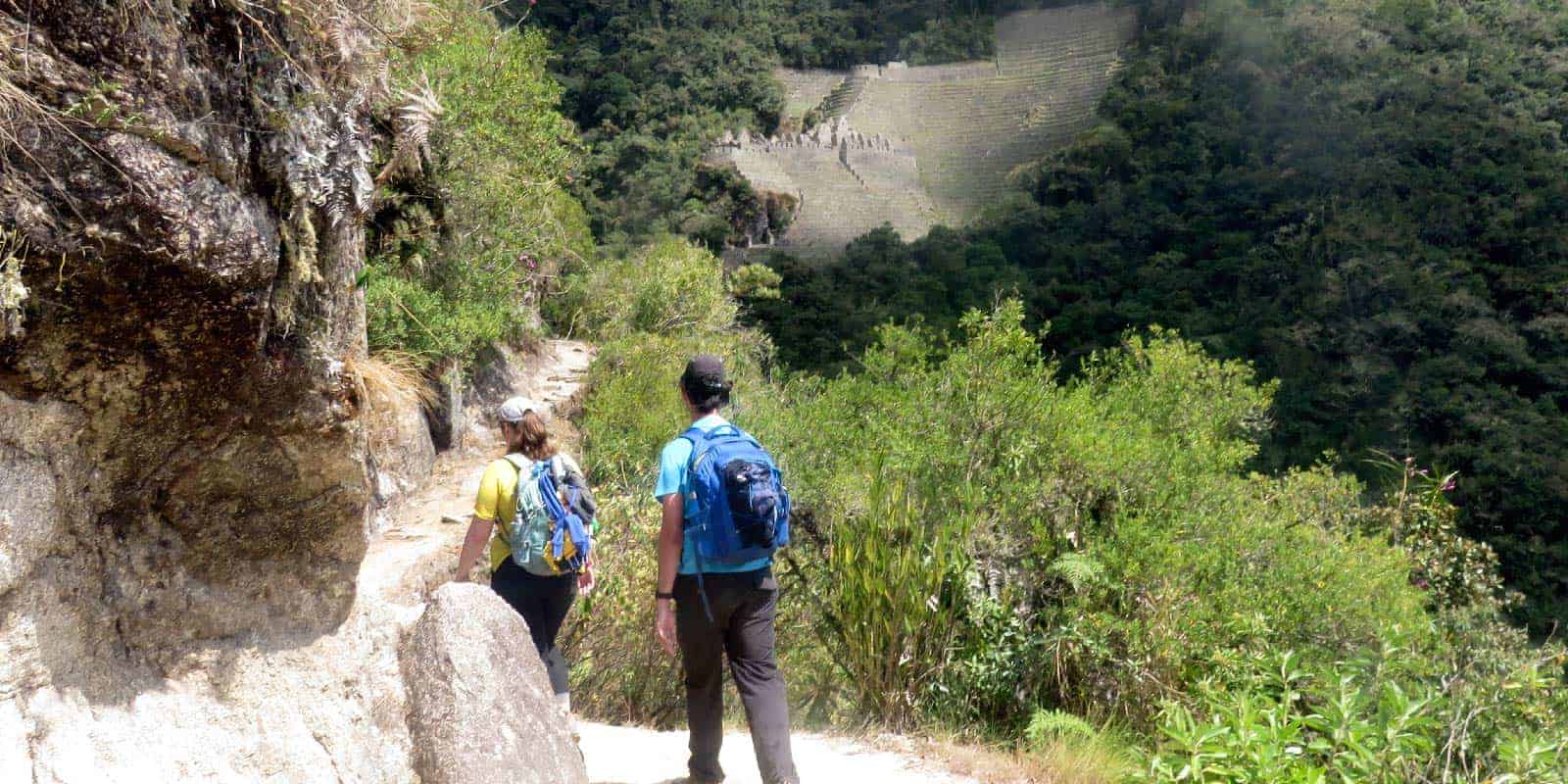
The shorter Inca Trail is for those trekkers with limited time on their hands or who just want to take things a little easier. This trail starts at km104 and climbs to the ruins of Wiñay Wayna before continuing to Machu Picchu. As there is not much time at Machu Picchu on the first day, Machu Picchu is visited the next day by bus from the town of AC. Permits could be reserved at least 2 months in advance.