The Inca Empire’s governmental system laid the foundation for a relatively small ruling elite to control one of the most extensive territories in the pre-Columbian world. Without a written language, currency, or formal markets, the Incas developed a governance model based on organizational structures, labor systems, and social obligations.
This article explores how this system functioned, from the emperor in Cusco to local community leaders and explains why Inca governance demonstrated remarkable efficiency and resilience across such a vast and diverse territory.
[ez-toc]
The Political Foundation of the Inca State
To understand the functioning of the Inca government, one must begin with the organizational structure of the state itself. This empire, known as Tawantinsuyu, was a centralized political entity with power concentrated in Cusco.
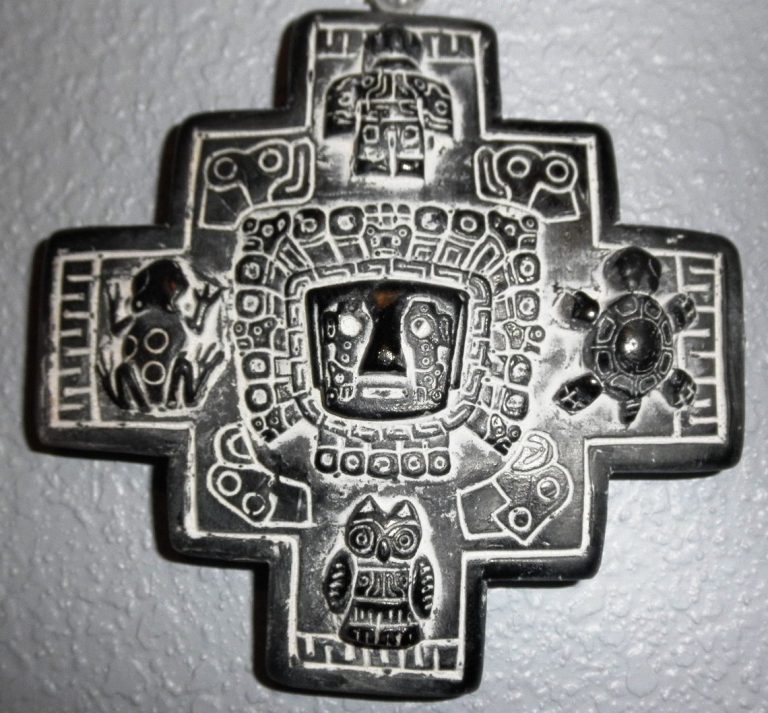
Its territory was divided into four major regions (suyus):
- Chinchay Suyú
- Antisuyú
- Calla Suyú
- Quintu Suyú
According to Maria Rostowowski (History of the Inca Empire, 1999), this division served both administrative and symbolic purposes, reflecting the Inca conception of political and cosmic order. The suyú system enabled the empire to efficiently manage its distant territories.
Sapa Inca: Supreme Authority
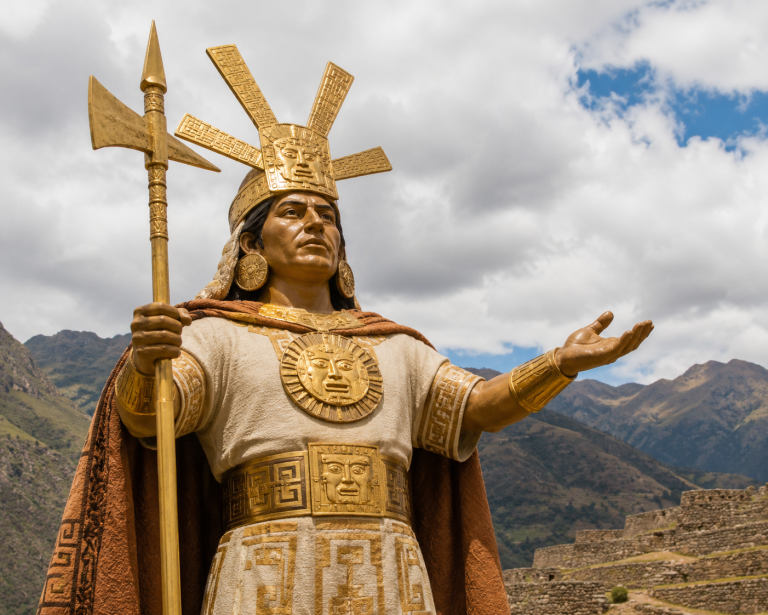
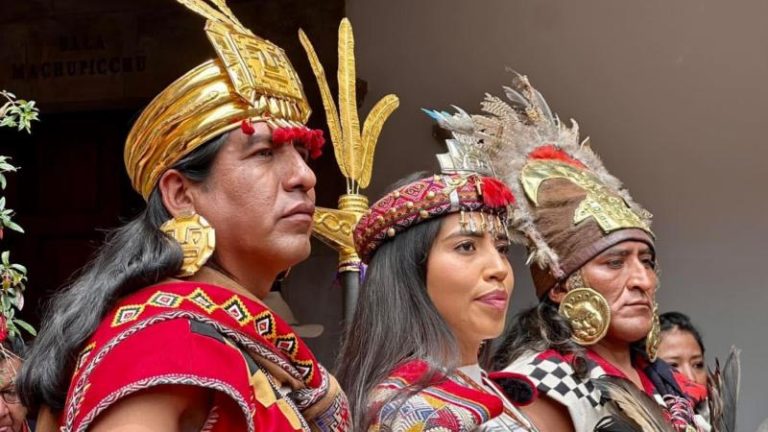
At the apex of government stood the Sapa Inca, regarded as both emperor and religious leader. Chronicler Juan de Betanzos emphasized that the Sapa Inca was considered a descendant of the sun god Inti, endowing him with dual political and spiritual legitimacy.
Duties of the Sapa Inca
- Enact laws and policies (D’Altrey, The Inca Civilization, 2015)
- Command military operations (Bowles, The Development of the Inca State, 2004)
- Overseeing construction projects such as roads, terraces, and temples
- Controlling land distribution and corvée labor obligations
D’Altrey specifically notes that despite the Sapa Inca’s supreme authority, effective governance remained highly dependent on the support of the bureaucratic system.
Royal Lineage and the Inca Noble Class
The Panaca System:
Each Sapa Inca established a panaca (royal lineage), composed of descendants other than the heir. These groups managed estates, religious duties, and the founder’s inheritance (Betanzos, 1551).
The Noble Class of Lineage and Privilege:
The Inca elite comprised:
- Bloodline Incas, descendants of Cusco’s original ruling families
- Privileged Incas, local elites incorporated into the state system after conquest
According to Brian Bowell (2004), assimilating local elites helped reduce regional resistance and maintain loyalty across diverse territories.
Territorial Administration and the Decimal System:
Each suyu was governed by an apu, a high-ranking official representing imperial authority (Rostworowski, 1999).
The population was organized according to a decimal system, described by John Mula (The Economic Organization of the Inca State, 1980) as follows:
- Ten households formed a unit, chunka kamayuq
- One hundred households formed a unit, pachaka kamayuq
- One thousand households formed a unit, waranqa kamayuq
- Ten thousand households formed a unit, hunu kamayuq
This system enabled the empire to efficiently track labor, resources, and census data.
Local Government and the Ayllu
The ayllu, as a community based on kinship, formed the foundation of Inca social organization. Each ayllu was led by a curaca, whose function was to serve as an intermediary between the local community and the state (Murra, 1980).
Responsibilities of the Curaca:
- Organizing labor obligations for national projects
- Maintaining local order
- Communicating national policies to the community
Mura’s research emphasizes that preserving local leadership authority helped the Inca maintain stability across their vast territories.
Law, Justice, and Social Discipline:
Although the Inca Empire lacked a written legal code, its laws were widely known and strictly enforced. The chronicler Garcilaso de la Vega (The Royal Chronicle of the Inca, 1609) recorded three fundamental principles:
- Ama sua: Do not steal
- Ama llulla: Do not lie
- Ama quella: Do not be lazy
Though punishments were severe, social cohesion and a sense of collective responsibility kept crime rates relatively low.
Mita: Labor as the Foundation of the State
The Inca Empire did not employ taxation but relied instead on a system of compulsory labor known as the “mita.” Citizens took turns providing services to the state, participating in the following tasks:
- Agricultural production on state-owned lands
- Construction of roads and bridges
- Military service obligations
- Mining operations and the associated storage and transportation systems
Mura (1980) noted that the mita system was founded on reciprocity rather than coercion: the state provided laborers with food, clothing, and security.
An Administrative System Without Writing
Despite lacking a writing system, the Incas developed an efficient system for record-keeping and communication.
Quipu:
Quipu was a system for recording numerical data using knotted strings, maintained by quipucamayocs (Urton, The Mystery of the Inca Quipu, 2003). This system could store detailed information on population, labor force, and supplies.
Roads and Messengers:
An extensive road network enabled relay runners called “chaskis” to transmit messages across the empire (Daltroy, 2015), facilitating real-time communication between Cusco and remote regions.
Government and Religion
Religion and governance were inextricably intertwined. Temples served as both religious centers and administrative hubs, while ritual ceremonies reinforced loyalty to the Sapa Inca. Rostowsky noted that the state religion conferred legitimacy upon political authority and linked it to the cosmic order.
Advantages and Limitations of the Inca Government
Advantages
- A clearly defined hierarchical administrative system (D’Altroy, 2015)
- Efficient management of labor and resources (Murra, 1980)
- Integration of local elites (Bauer, 2004)
- A cohesive ideology tightly integrating religion and politics (Rostworowski, 1999)
Limitations
- High dependence on central authority
- Succession disputes following the death of a Sapa Inca emperor
- Vulnerability during crises or invasions
- These weaknesses led to the empire’s rapid collapse under Spanish conquest.
Conclusion:
The Inca Empire’s governmental system integrated central authority, local administration, labor organization, and religious legitimacy, enabling it to successfully rule one of the largest empires in pre-Columbian history. Understanding this system not only illuminates the foundations of the empire’s prosperity but also explains the vulnerabilities exposed upon the arrival of the Spanish.
Questions and Answers
The Sapa Inca was the emperor and supreme authority of the Inca Empire. As a descendant of the sun god Inti, he served as both political and religious leader (D’Altroy, 2015).
The empire was divided into four major regions called “suyus”: Chinchay Suyu, Antin Suyu, Kola Suyu, and Quinti Suyu, collectively forming the unified state of “Tawantinsuyu” (Rostworowski, 1999).
Local communities (ayllus) were governed by curacas, who organized corvée labor, collected tribute, and maintained social order (Murra, 1980).
The population was organized into units of ten households, one hundred households, one thousand households, and ten thousand households. This system facilitated the management of labor, resources, and census information (Murra, 1980).
Mita was state-mandated labor service covering agricultural production, road and bridge construction, and military duties. Citizens provided labor in rotation and received corresponding provisions in return (Murra, 1980).
The Incas employed knotted cords called “quipu,” maintained by specialized “quipu masters,” to record numerical and administrative data (Eaton, 2003).
Despite lacking a written legal code, laws were widely known. Core principles included “Thou shalt not steal” (Ama sua), “Thou shalt not lie” (Ama llulla), and “Thou shalt not be lazy” (Ama quella) (Garcilaso de la Vega, 1609).
Religion conferred legitimacy upon political authority. The Sapa Inca served as both emperor and religious leader, with state rituals reinforcing loyalty to the empire and its ruler (Rostworowski, 1999).