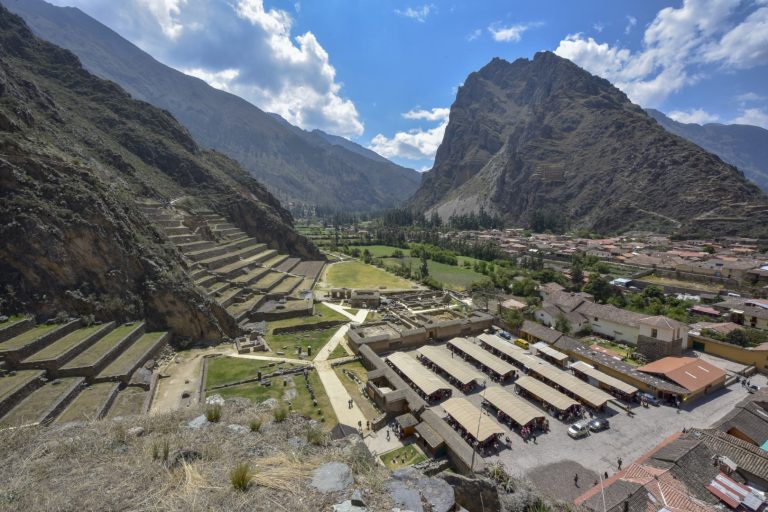

Stretching across the southern Peruvian Andes, the Cordillera Vilcanota is widely recognized for its dramatic snow-capped peaks, glacial landscapes, and cultural richness. Yet beyond its natural beauty, this mountain range has also become part of an important national conversation about language, identity, and the standardization of geographic names in Peru.
In 2016, the Peruvian government took a significant step toward preserving linguistic heritage through the approval of a national regulation aimed at standardizing place names. This initiative was formalized under a legislative framework known as Decreto Supremo N.º 29735, which was published in the official gazette El Peruano on July 22 of that year. The regulation seeks to ensure that toponyms—names of geographical features such as mountains, rivers, and valleys—are written correctly according to the normalized alphabets of Peru’s indigenous languages, including Quechua and Aymara.
[ez-toc]
IGN Policies and Linguistic Adaptation in Peru
The implementation of these changes is overseen by the Instituto Geográfico Nacional (IGN), the country’s official mapping authority. The IGN plays a central role in updating Peru’s official cartography, ensuring that maps reflect accurate spellings aligned with indigenous linguistic standards. This effort is not merely technical; it represents a broader cultural policy aimed at promoting the visibility and legitimacy of native languages in public and institutional spaces.
For regions like the Cordillera Vilcanota, where many place names originate from Quechua, the standardization process has practical and symbolic implications. Historically, the transcription of indigenous names into Spanish introduced inconsistencies and phonetic distortions. Over time, these variations became embedded in maps, travel guides, and official documents, often obscuring the original meanings of the names themselves.
The new regulations aim to correct these inconsistencies by applying standardized orthographic rules. For example, certain letter combinations commonly used in Spanish-based spellings are being revised to better reflect indigenous phonetics. Terms that include “hua” or “hui” are often replaced with “wa” or “wi,” aligning with Quechua pronunciation. Similarly, the use of letters such as “b,” “d,” “g,” and combinations like “ca,” “cu,” and “qu” may be adjusted depending on the linguistic context. Diphthongs are also reviewed to ensure consistency with native phonological systems.
Reclaiming Identity Through Place Names: Cultural Impact and Traveler Implications
These changes are more than linguistic refinements—they are part of a broader effort to reclaim cultural identity. By restoring original place names and spellings, Peru acknowledges the deep historical roots of its indigenous populations and reinforces their role in shaping the nation’s cultural landscape. In this sense, the mountains of the Cordillera Vilcanota are not only physical landmarks but also carriers of linguistic memory.
For travelers, these updates may initially cause some confusion, especially when older maps or guidebooks use different spellings. However, they also offer an opportunity to engage more deeply with the cultural context of the places being visited. Understanding the meaning and origin of a name can enrich the travel experience, providing insight into local traditions, environmental features, and historical narratives.
The Vilcanota Mountain Range: Identity, Tradition, and the Cultural Meaning of Its Names in Contemporary Peru
Moreover, the standardization of toponyms contributes to greater consistency across official platforms, from educational materials to tourism infrastructure. As Peru continues to position itself as a leading destination for cultural and ecological tourism, accurate and respectful representation of indigenous heritage becomes increasingly important.
The Cordillera Vilcanota itself remains a destination of exceptional interest. Home to iconic peaks such as Ausangate, one of the highest mountains in Peru, the range attracts trekkers, climbers, and cultural travelers alike. Its remote communities պահպան traditional ways of life, many of which are closely tied to the land and its linguistic expressions. In this context, the correct naming of places is not just a matter of policy—it is a reflection of lived experience.
In conclusion, the case of the Cordillera Vilcanota illustrates how geography, language, and identity intersect in modern Peru. Through the efforts of institutions like the Instituto Geográfico Nacional and the legal framework established in 2016, the country is taking meaningful steps to honor its indigenous heritage. For visitors and scholars alike, this evolving landscape offers both a challenge and an invitation: to see beyond the surface and appreciate the deeper meanings embedded in the names that define it.
Questions and Answers
It is known for its snow-capped peaks, glacial landscapes, and cultural richness, making it a key destination for trekking and exploration.
The regulation aimed to standardize place names and preserve indigenous linguistic heritage by ensuring correct spelling based on native languages like Quechua and Aymara.
The IGN has updated official cartography to reflect accurate names aligned with indigenous linguistic standards, promoting cultural identity.
They were often transcribed into Spanish, leading to phonetic distortions and variations in spelling over time.
They may initially cause confusion, but ultimately enhance cultural awareness by preserving the original meanings and histories of locations.