The Inca Empire was one of the largest and most advanced civilizations on the American continent. Its society was built upon a clear hierarchical structure, with each individual from rulers to common people assigned distinct roles and responsibilities. This article will delve into the core characteristics of Inca society and how these features shaped their daily lives and culture.
[ez-toc]
What was the Inca Empire and society like?
The Inca civilization was the largest empire the Americas had seen before European contact, stretching along the Andes Mountains and encompassing regions of present-day Ecuador, Chile, and Argentina. Its peak lasted from approximately 1438 until the Spanish conquest in the 1530s, centered on the capital city of Cusco, located in modern-day Peru.
At its zenith, the Inca Empire was not merely a political entity but constituted a highly organized socio-economic and cultural system. Unlike many contemporary societies, the Incas did not use currency. Instead, they coordinated labor, resources, and production through reciprocal mechanisms and centralized planning, creating one of the world’s most efficient non-market economies.
Foundation: The Ayllu and Reciprocal Economy
At the core of Inca society lay the ayllu a community rooted in kinship ties and shared land. This was not merely a form of communal living but the bedrock of social identity, economic systems, and mutual aid practices. Ayllu members shared resources, cultivated land collectively, and supported one another through a reciprocal labor system known as mit’a.
Specifically, the Ayllu:
- Held collective ownership of farmland
- Organized community labor for tasks like sowing, harvesting, and maintenance
- Jointly fulfilled labor obligations for state projects (mit’a), which advanced imperial development and infrastructure
This system was vital to daily life, with cooperation and mutual aid serving as key pillars sustaining the Inca society’s strength and unity.
Sources:
Rostworowski, María. “Historia del Tahuantinsuyu.”
Moseley, Michael E. “The Inca Empire and the Origins of the Andean State.”
Social Hierarchy: The Pyramid Structure of Role Composition
Contrary to common perception, Inca society was not egalitarian. While hierarchical, its structural design ensured every role was intrinsically linked to the nation’s welfare.
The pyramid structure is as follows:
1. Sapa Inca: Sacred Ruler
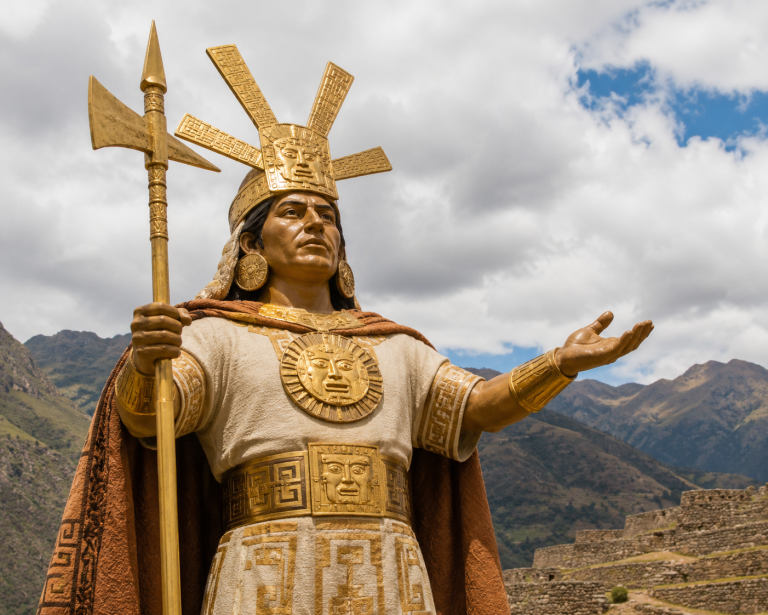
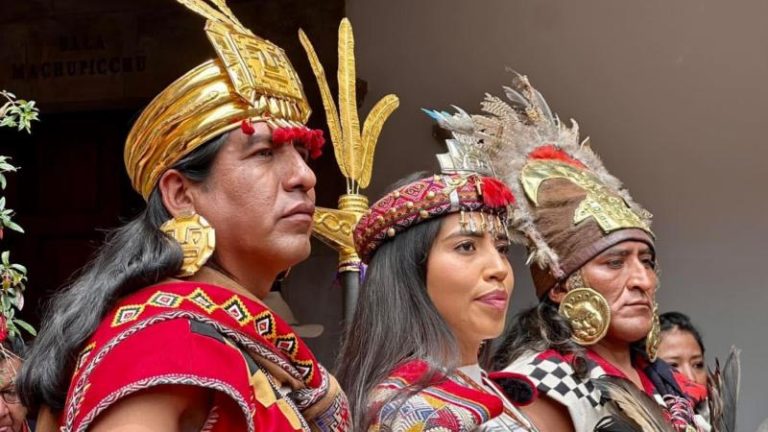
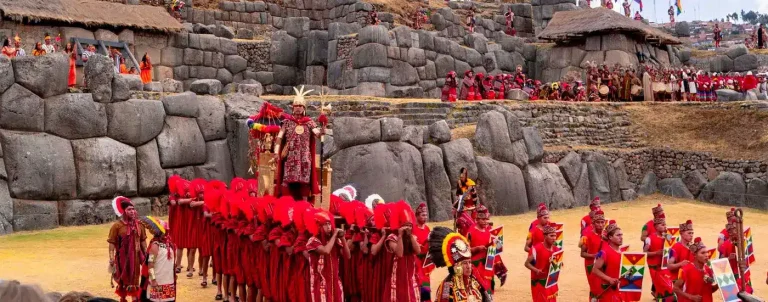
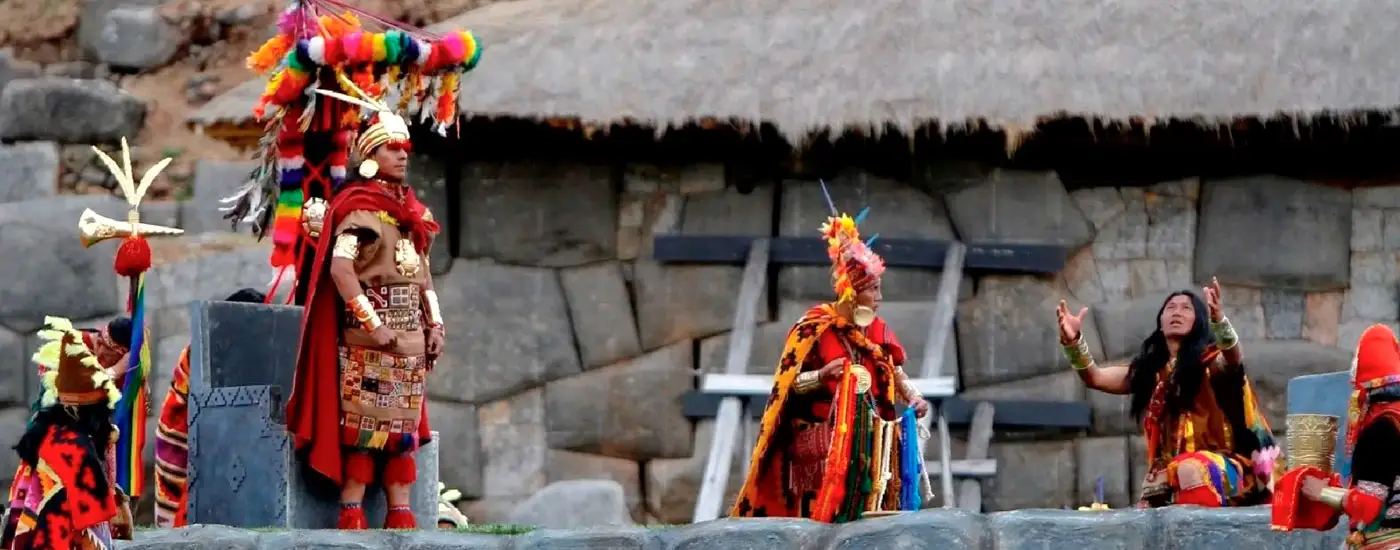
At the apex of the pyramid stood the Sapa Inca, the emperor regarded as a descendant of the sun god. The Sapa Inca was not only a political ruler but a sacred figure wielding absolute authority over the empire. His reign was considered divine; as the central figure of the Inca state religion, he embodied both political and spiritual authority. (Source: Cieza de León, Pedro. The Inca Civilization.)
2. The Noble Class: Bloodline and Merit
Under the Sapa Inca existed two tiers of nobility:
Bloodline Nobility:
Descendants of the ruling bloodline or Panaca families, holding key positions such as governor, military leader, or high priest.
Privileged Nobility:
Commoners elevated through exceptional merit—distinguished warriors, administrators, or ritual specialists. This tier demonstrated that service and talent could elevate one’s social standing within Inca society.
3. The Curacas and Local Leaders
Local elitesk nown as curacas led regional communities and translated central Inca policies into local practices. They served as indispensable bridges between imperial authority and local society.
4. Commoners (Hatun Runa)
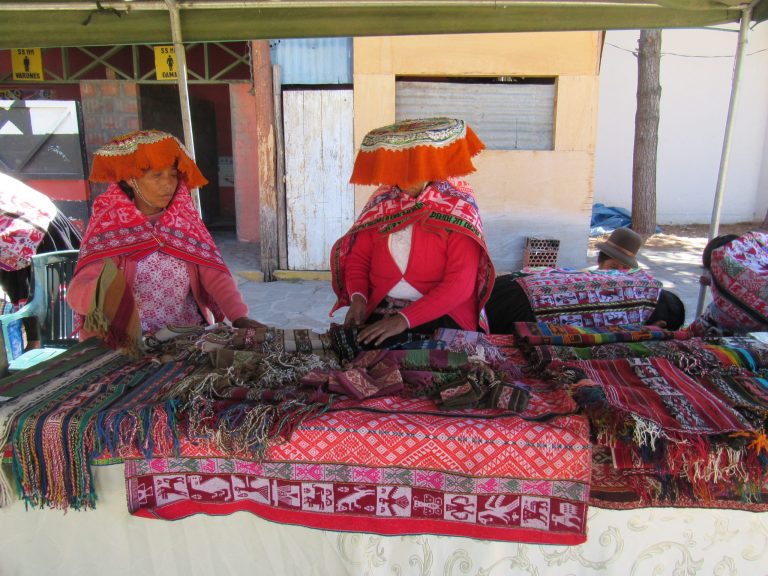
The vast majority were ordinary people farmers, herders, and artisans. They tilled the land, tended livestock such as llamas and llamas, produced textiles and pottery, and cultivated staple foods like corn, potatoes, and quinoa. Their productive labor ensured the survival and prosperity of the entire empire.
5. Servants, Specialized Professionals, and Migrant Communities
Other significant groups included:
Yanacona: Personal attendants serving as noble or state-exclusive attendants and servants.
Mittima: Communities forcibly relocated to strategic locations to promote cultural assimilation and strengthen state control.
This stratified social structure enabled the empire to effectively administer diverse ethnic groups across its vast territories.
Economy Without Money: Labor, Tribute & Distribution
Unlike many other civilizations, the Incas did not use currency or a traditional market economy. Instead, their economic system was built upon labor and tribute. Citizens were required to contribute labor to the empire through the mita system a labor tax demanding participation in state-run projects or the provision of crops. In exchange, the Inca state supplied food, clothing, and protection.
The “ayni” system also played a crucial role, fostering community solidarity through labor and resource sharing. For instance, when a household suffered a poor harvest, community members would provide assistance, ensuring no one went hungry within the community. (Source: Mosley, The Inca Empire and the Origins of the Andean State, Cambridge University Press, 2001)
Mita: The Labor Tax System
Citizens did not pay taxes in currency but fulfilled obligations through the mita rotation system, participating in national construction projects such as:
- Road construction and maintenance
- Terrace farming and irrigation systems
- Building projects (temples, fortresses, granaries)
This labor was not enslavement but a system of compulsory service exchanged for state-provided food, clothing, and security.
Redistribution and Storage
The state supplanted competitive markets by acquiring surplus production through centrally managed warehouses called qollqas for redistribution—a system particularly vital during droughts, famines, or wartime.
Daily Life: Labor, Family, and Gender Roles
Understanding Inca society requires grasping the interwoven fabric of daily human existence, where labor, family, and cultural values were inextricably linked.
Family and Ayllu Life
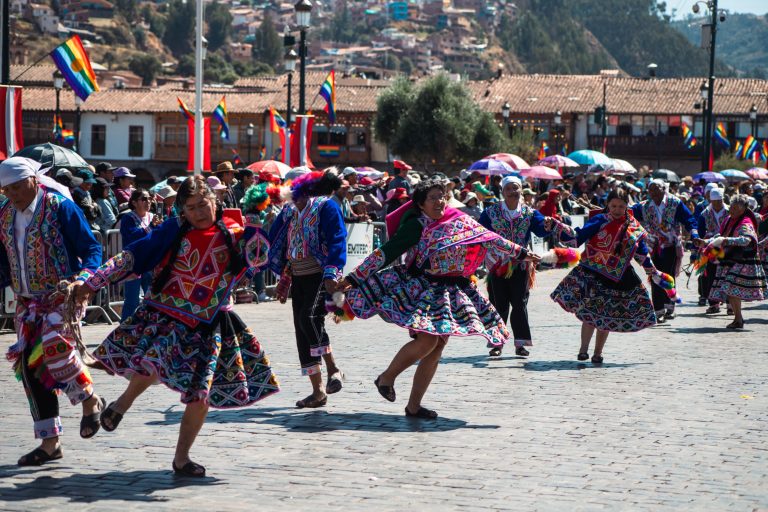
The ayllu served not only as a political unit but as the organizing core of daily existence. Extended family members lived together, labored cooperatively, and participated jointly in rituals and obligations. Their world was not built upon individual ownership but was founded on collective responsibility and mutual aid.
Men and Women: Complementary Roles
The Inca worldview emphasized complementarity rather than strict separation between genders. Men typically engaged in:
- Laborious agricultural labor.
- Military service and infrastructure projects.
- Leadership roles as kurakas (chiefs) or officials.
While women frequently handled domestic tasks like weaving and cooking, they played central roles in state religion and ceremonial activities. Noblewomen, revered as acllas (“chosen women”), not only produced exquisite textiles and prepared ritual foods but also assumed crucial ceremonial duties during special occasions.
This balanced yet hierarchical view of gender ensures that every contribution is valued within the broader social system.
The Legacy of Inca Society
Although the Inca Empire fell to the Spanish in the 1530s, its social structures and cultural practices continue to shape life in the Andes to this day. From agricultural techniques like terraced farming to the enduring presence of the Quechua language, the legacy of Inca society remains clearly visible. Understanding how the Incas organized their world—from mutual aid systems to complex hierarchical structures—offers valuable insights into governance, cooperation, and sustainable development. (Source: Bowers, Brian. Sacred Landscapes of the Inca. University of North Carolina Press, 2004)
Conclusion: The Enduring Power of Inca Society
The Inca Empire stands as an extraordinary achievement in human organization and social cooperation. From the Ayllu communities to the Sapa Inca monarchy, every facet of Inca society was meticulously designed to ensure national prosperity and the well-being of its people. Though the empire no longer exists, its influence lingers to this day, and its legacy offers invaluable insights revealing how societies can coexist harmoniously with their environment and thrive through interaction with nature.
Questions and Answers
It was organized hierarchically, led by the Sapa Inca, followed by nobles, artisans, farmers, and laborers.
It was based on agricultural production, implementing a corvée labor system (mit’a) and redistributing resources through state control.
They practiced polytheism, venerating deities such as the sun god Inti and the earth goddess Pachamama.
Daily activities centered around farming, communal labor, family life, and religious ceremonies.
Their remarkable accomplishments spanned engineering, road systems, agricultural production, architectural artistry, and administrative governance.