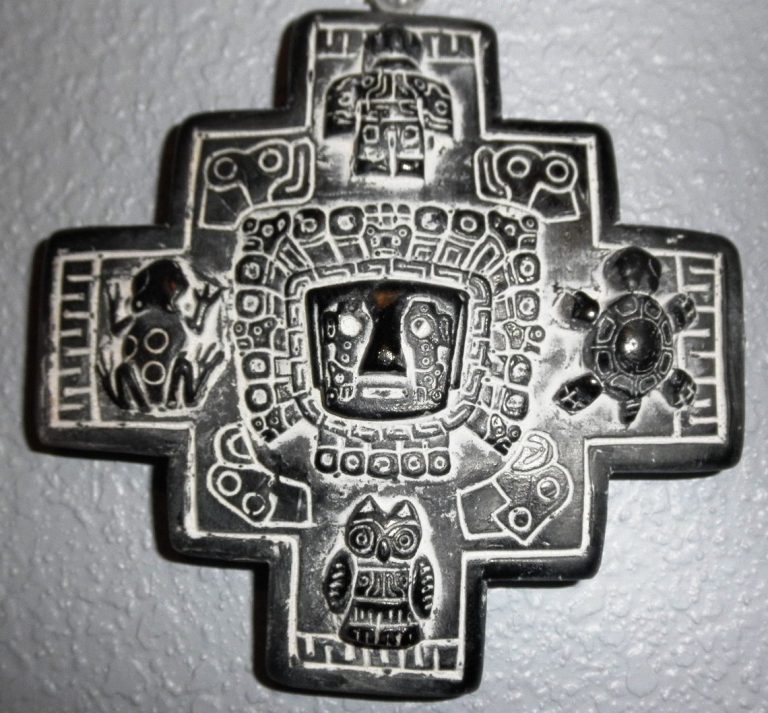

Among the most profound and enduring figures in Andean belief systems is Viracocha, a deity widely regarded as the supreme creator in pre-Columbian mythology. Revered across various cultures of the Andes—most notably by the Incas—Viracocha represents the origin of all things: the universe, humanity, and the natural order. His legacy, preserved through oral traditions and early colonial chronicles, offers a window into how ancient Andean societies understood existence, creation, and divine authority.
Viracocha is often described as the god who emerged from the waters of Lake Titicaca at the beginning of time. From this primordial setting, he is said to have created the heavens and the earth, followed by the sun, moon, and stars. In many accounts, he first fashioned a race of giants, but later destroyed them—either due to disobedience or imbalance—before creating humans as they are known today. This dual role as both creator and destroyer underscores a recurring theme in Andean cosmology: the cyclical nature of existence.
[ez-toc]
Viracocha: Names, Meanings, and the Many Facets of an Andean Creator Deity
The name Viracocha itself carries layered meanings, often interpreted as “foam of the sea” or “sea lake,” reflecting his association with water as a source of life. However, the deity is also known by several epithets and compound names that highlight different aspects of his identity. One of the most prominent is Ticsi Viracocha, where “Ticsi” can be understood as “foundation” or “origin,” reinforcing his role as the primordial source of creation.
Another commonly referenced name is Contivi Viracocha, which appears in early Spanish chronicles documenting indigenous beliefs. While interpretations vary, this title is often associated with Viracocha’s omnipresence and creative, suggesting a deity who exists beyond physical boundaries and manifests across the natural world.
In some traditions, particularly those influenced by later interpretations and cross-cultural exchanges, Viracocha is also linked to the name Kon-Tiki Viracocha. This designation gained wider recognition in the 20th century through the explorations of Thor Heyerdahl, who named his famous raft Kon-Tiki after the deity. While this connection has sparked debate among scholars, it reflects the enduring fascination with Viracocha’s identity and influence beyond the Andes.
Myth, Symbolism, and Transcendence in Andean Tradition
Beyond these names, Viracocha is frequently described using titles that emphasize his creative and instructive roles. He is often called “the creator” and is associated with the term Pachayachachic, which translates to “teacher of the world.” This title suggests that Viracocha not only brought life into existence but also imparted knowledge, laws, and cultural practices to humanity. In this sense, he is both a divine architect and a civilizing force.
According to Andean mythology, after completing his acts of creation, Viracocha traveled across the land, teaching people how to live, farm, and organize their societies. He is often depicted as a bearded man in long robes—an unusual feature in Andean iconography—which led early Spanish chroniclers to draw parallels between Viracocha and European figures. These interpretations, however, are now understood to be influenced by colonial perspectives rather than accurate representations of indigenous belief.
Eventually, Viracocha is said to have departed across the Pacific Ocean, walking on water and promising to return. This element of the myth has contributed to various interpretations, including symbolic readings of departure and renewal, as well as more speculative theories about transoceanic contact. Regardless of interpretation, the narrative reinforces Viracocha’s role as a transcendent and ever-present force.
Viracocha in Inca Cosmology: Legacy, Meaning, and Cultural Significance in Peru
While the Incas placed greater emphasis on solar worship, particularly of Inti, the sun god, Viracocha remained a higher, more abstract deity—less involved in daily rituals but central to the overarching cosmology. Temples dedicated to him existed, most notably near Lake Titicaca, where his mythological journey begins.
Today, Viracocha continues to be a subject of academic study, cultural pride, and spiritual reflection. His story is not only a cornerstone of Andean mythology but also a testament to the philosophical depth of pre-Columbian civilizations. Through his many names and attributes, Viracocha embodies the complexity of creation, the transmission of knowledge, and the enduring human quest to understand the origins of the world.
For travelers and readers interested in Peru’s cultural heritage, exploring the figure of Viracocha provides essential context for understanding the beliefs that shaped one of the most remarkable civilizations in history.
Questions and Answers
Viracocha is regarded as the supreme creator god in Andean belief, responsible for the creation of the universe, humanity, and the natural order.
The name Viracocha is often interpreted as “foam of the sea” or “lake of the sun,” reflecting his connection to water, creation, and primordial elements.
According to myth, Viracocha created the sky, the earth, and the first humans. He also taught people how to live and established societal norms.
He is a central figure in Andean religion and philosophy, symbolizing creation, knowledge, and universal balance, influencing spiritual and cultural practices.
Viracocha is typically depicted as a wise and powerful figure, often associated with the sun, water, and natural elements, reflecting his role as creator and guide of humanity.