Cusco is a city located in southeastern Peru, in the Andes mountain range. It was the political and cultural center of the Inca Empire and, since the 16th century, one of the most important urban centers of the Spanish viceroyalty in South America. Today, it is the capital of the department of the same name and one of the main historical and cultural centers of the country.
[ez-toc]
The city is located more than 3,300 meters above sea level and its urban area preserves vestiges of Inca architecture alongside colonial buildings. These characteristics, visible in its historic center, are grounds for heritage protection. Cusco was declared a World Heritage Site by UNESCO in 1983 and continues to play an important role in the cultural, historical, and tourist spheres of Peru.
Geography
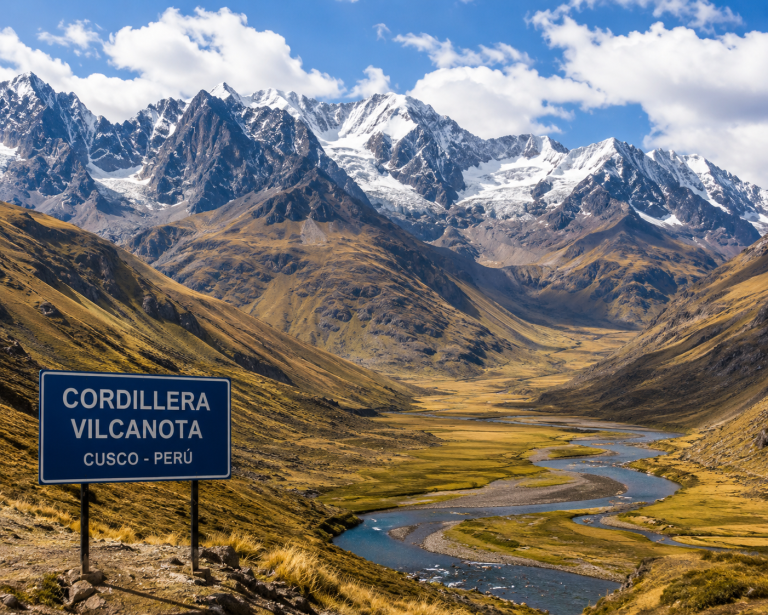
Cusco is located in an inter-Andean valley surrounded by mountain ranges of the Andes. Its territory is marked by ravines, rivers, and elevations that form part of the Vilcanota River basin. The climate is temperate and cold, characterized by two well-defined seasons: a rainy season that usually lasts from November to March and a dry season between April and October.
The regional geography has directly influenced the productive activities of local communities. In rural areas, agriculture continues to be an important activity. Traditional crops include potatoes, corn, quinoa, and various Andean tubers. The diversity of potatoes is remarkable in this region, where hundreds of varieties adapted to different high-altitude microclimates have been identified.
Livestock farming is also part of the rural economic system. In the high Andean areas, sheep, cattle, and South American camelids such as alpacas and llamas are mainly raised. These activities are carried out by family or community groups, often organized into rural communities.
Heritage and legacy
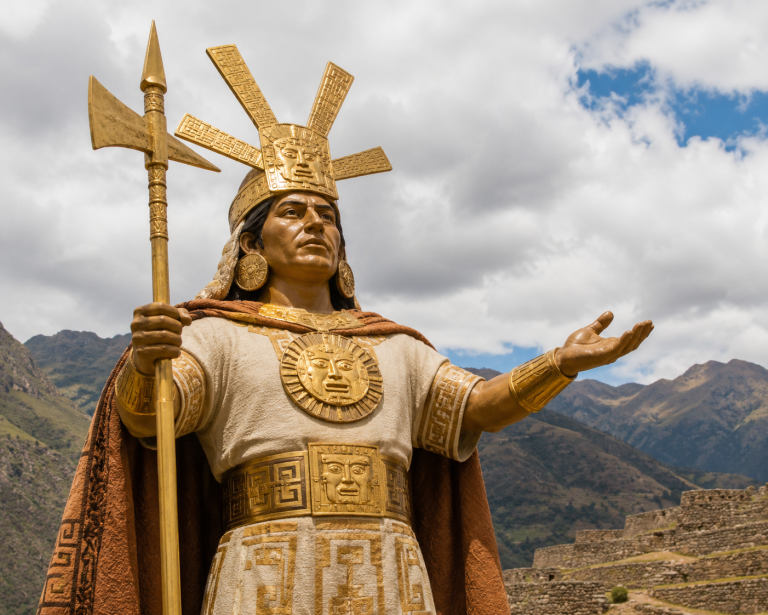
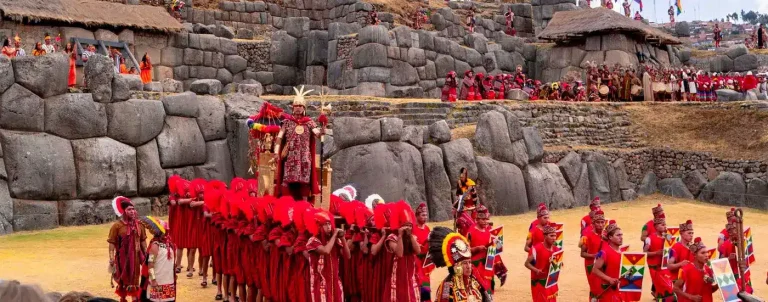
Cusco plays a central role in the history of Peru. During the pre-Hispanic period, it was the capital of the Inca Empire, known as Tahuantinsuyo, which spanned much of the Andean region of South America between the 15th and 16th centuries. The administrative, political, and religious functions of the empire were organized from this city.
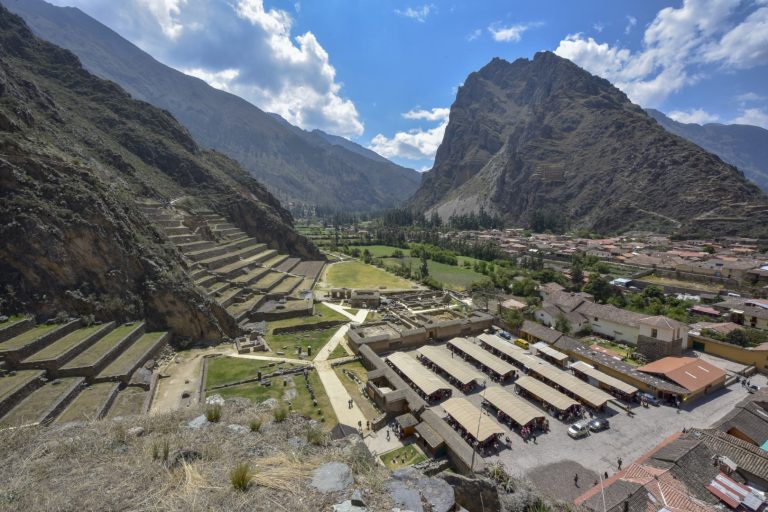
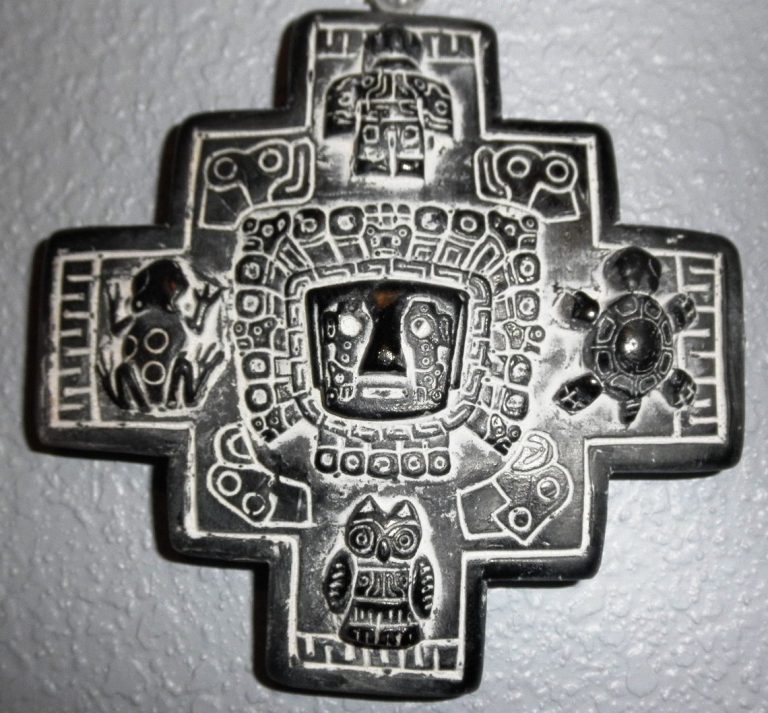
Inca urban planning reflected a complex social and symbolic organization. Various studies indicate that the city was structured according to cosmological and territorial principles linked to the Andean worldview. Likewise, hydraulic engineering, road systems, and stone architecture demonstrate the high technical level achieved by the Inca civilization.
After the Spanish conquest in the 16th century, the city underwent urban and cultural transformations. Many colonial buildings were constructed on Inca foundations, creating an overlap of architectural styles that still characterizes the historic center. Churches, convents, and colonial mansions were integrated into existing structures, many of which were made of carved stone.
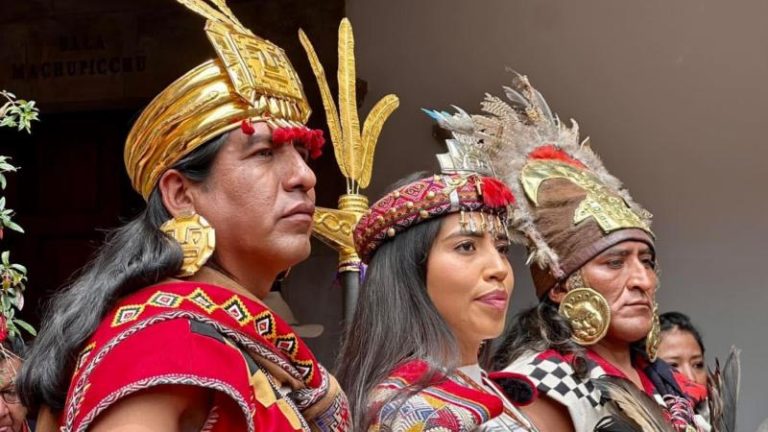
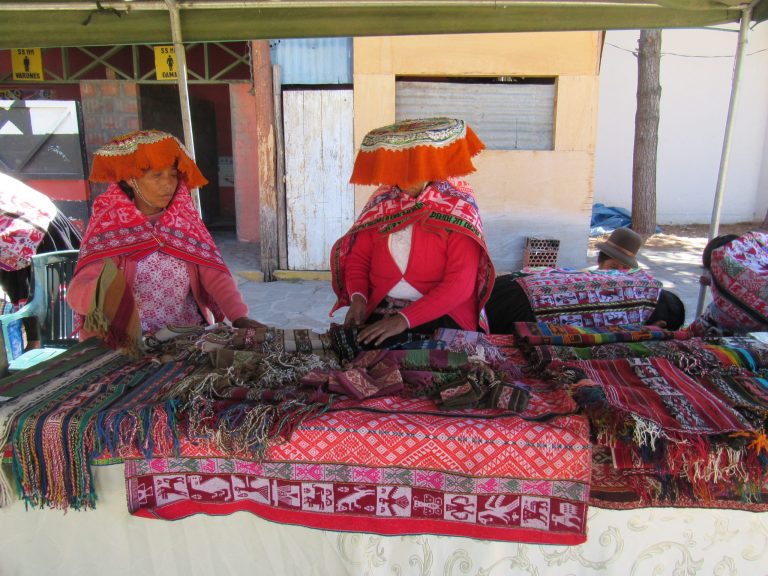
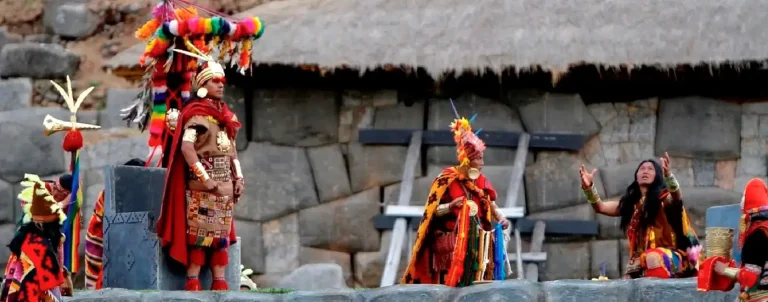
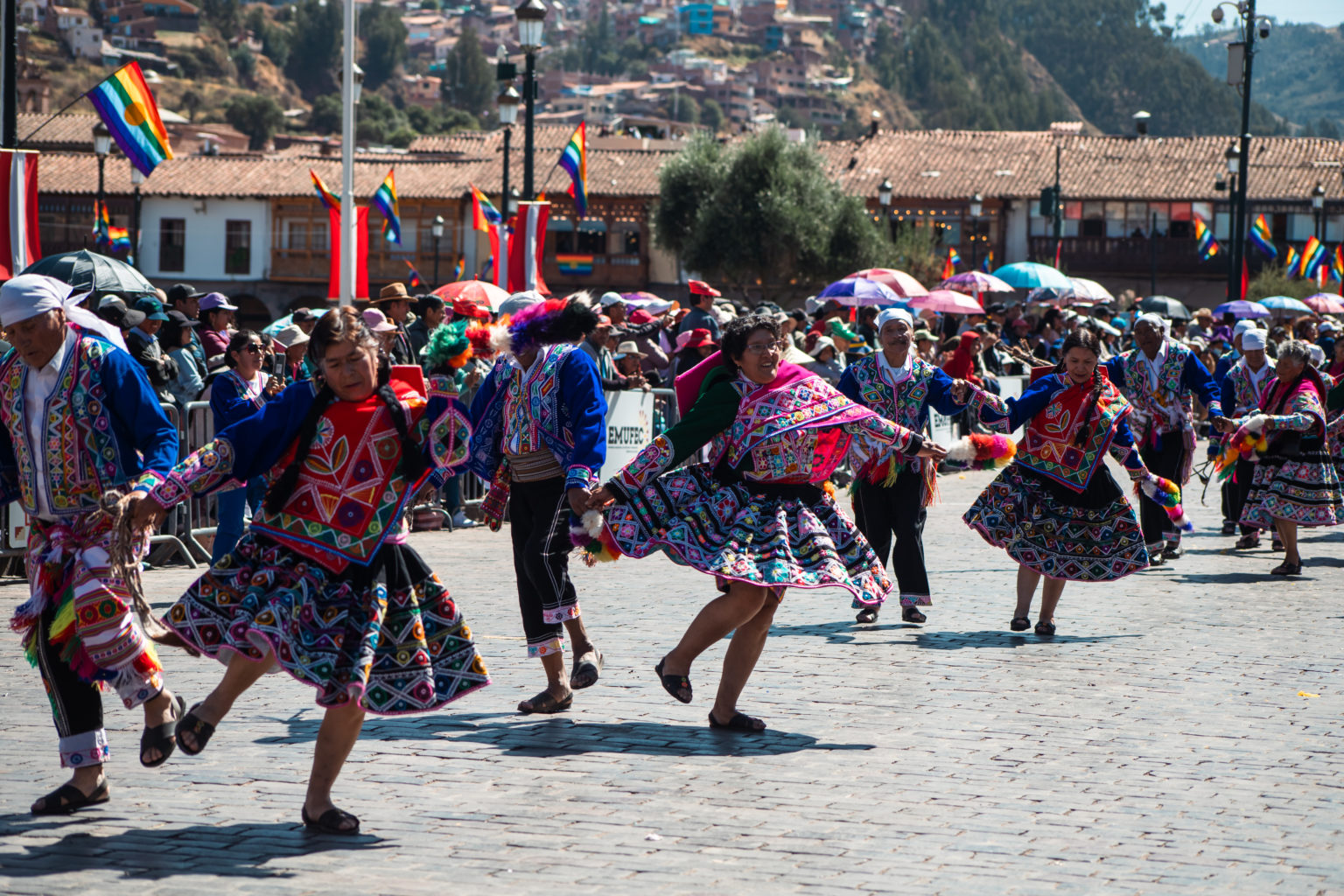
Today, this historical heritage is manifested in cultural traditions, festivities, and linguistic expressions. Quechua, the native language of the Andes, continues to be widely used in the region. Likewise, various agricultural, textile, and ritual practices preserve elements of the Andean tradition.
Tourism and international importance
Cusco has established itself as one of the most important tourist destinations in South America. Its archaeological, historical, and cultural heritage attracts visitors from around the world every year. The historic center of the city is home to squares, temples, and streets that reflect different periods of its urban development.
Tourism is an important economic activity for the region. This sector drives services such as transportation, gastronomy, accommodation, and commerce. The presence of nearby archaeological sites, such as the complexes of Sacsayhuamán, Qenqo, Puca Pucara, and Tambomachay, expands the cultural and archaeological offerings.
In addition to its material heritage, tourist interest is also related to the natural landscape and cultural traditions. The communities of the Sacred Valley of the Incas, located in the province of Urubamba, maintain agricultural, textile, and ceremonial practices that are part of the Andean cultural identity. In some cases, these activities are integrated into community or experiential tourism initiatives.
The international importance of Cusco is also reflected in its recognition by cultural and academic organizations. Archaeological, historical, and anthropological research continues to study the region.
Cradle of the world wonder Machu Picchu
One of the elements that reinforces Cusco’s international importance is its proximity to Machu Picchu, one of the most renowned archaeological sites in the world. This Inca complex is located in the province of Urubamba, about 50 miles northwest of the city of Cusco.
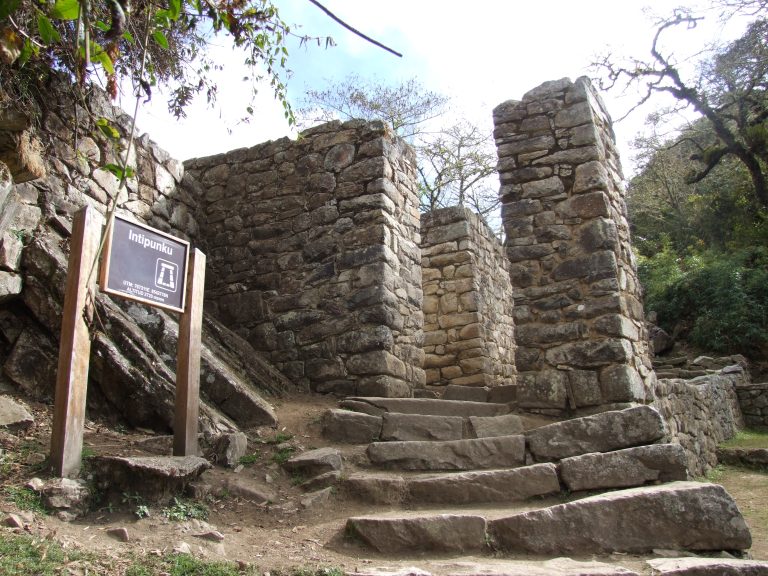
Machu Picchu was built in the 15th century during the reign of the Inca Pachacútec. It is located in a mountainous area more than 2,400 meters above sea level, between the peaks of Machu Picchu and Huayna Picchu. The site features a system of agricultural terraces, temples, plazas, and dwellings made of carved stone.
The citadel remained relatively isolated after the Spanish conquest and was brought to international attention in 1911 by American explorer Hiram Bingham. Since then, it has become one of the main symbols of Peru’s cultural heritage.
In 2007, Machu Picchu was included in the list of the New Seven Wonders of the Modern World through an international vote. This recognition placed it on the global stage and consolidated the Cusco region as one of the most visited cultural destinations worldwide.
The relationship between Cusco and Machu Picchu is close. The city serves as the main access point for visitors to the historic sanctuary, declared a World Heritage Site by UNESCO. Land and rail routes depart from Cusco, connecting to the Sacred Valley and the district of Machu Picchu.
Questions and Answers
Cusco was the capital of the Inca Empire and served as the political, cultural, and religious center of the civilization. The city later became an important Spanish colonial hub, which is why its historic center combines Inca stone architecture with colonial buildings.
Cusco is located at more than 3,300 meters (10,800 feet) above sea level in the Andes Mountains. Because of the high altitude, many travelers experience mild altitude symptoms during their first days, so it is recommended to rest, stay hydrated, and acclimatize before starting major excursions.
Cusco is the main starting point for trips to Machu Picchu, one of the most famous archaeological sites in the world. From the city, visitors can travel by train or trek through the Andes to reach this iconic Inca citadel.
Several important archaeological complexes are located close to Cusco, including Sacsayhuamán, Qenqo, Puca Pucara, and Tambomachay. These sites reveal the engineering and ceremonial practices of the Inca civilization.
The historic center of Cusco was declared a World Heritage Site by UNESCO in 1983 because of its exceptional cultural value. The city preserves Inca urban planning, colonial architecture, and important archaeological remains that reflect centuries of Andean history.